
Experiencing anxiety?
Do you sometimes have a sense of dread in the back of your mind that pervades your being and steals your peace?
‘What if the worst happens?’
It’s called anticipatory anxiety
When you know you have something in the future that is going to happen that you are not looking forward to, or you perhaps would rather avoid, your mind may begin to imagine how much you will not enjoy this event, situation or appointment.
You may have imaginary conversations in your mind. You may imagine how unhappy or nervous you believe you will feel if this situation were to happen.
This can lead to anticipatory anxiety about this event. Where, in fact, at this moment there is no evidence that what you’re concerned about will actually happen.
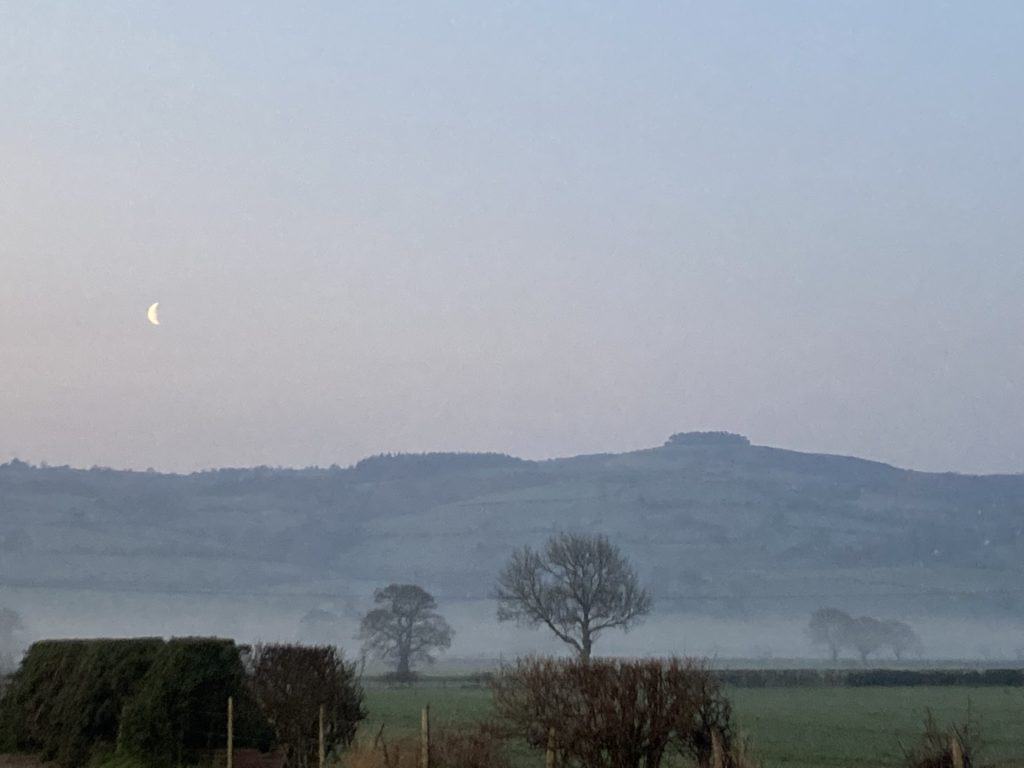
- The first step to overcoming your anticipatory anxiety or ‘what if’ thinking is becoming aware of where your thoughts are focussed. When do you notice your mind starts to wander to this future event or possible situation the most?
As you read this blog, perhaps this is the first time you have even become aware that anticipatory anxiety is something that happens to you. Or perhaps you didn’t give it a name before.
Become aware of
what you are
thinking about
- Focus on whatever activity you are doing now. When you realise that your mind is not noticing today or who you are with.
You can help yourself by refocussing on whatever you are doing or on whoever you are with. If you are in the presence of someone else, you can focus upon them, instead of your racing thoughts.
If you are on your own when you become aware that your mind is imagining this upcoming event, you may like to choose an activity to help you stay present in this moment. Distraction and asking your mind to do something differently can be useful.
What things do you enjoy and find satisfaction in?
How might it feel to go for a walk and, as you walk, seeing how many different types of tree or flower, or even look at the design of front doors of other houses. You might choose to look up to the sky and notice the different cloud formations.
These ideas can help you to pay attention to what is happening as you walk. Like any new skill, it can take practice.
Choosing to phone a friend and ask how they are or write a card to let someone know you are thinking of them may be another way to help you to stay present or offer yourself a distraction away from the unwanted ‘what if’ thinking.
Noticing your anticipatory anxiety is the first step towards overcoming the feeling and becoming aware of where your thoughts are focussed
- Be kind to yourself. It may be that once you start to become aware of your mind wandering to the event or situation you are not looking forward to, that you may feel tempted to become irritated with your inability to learn to stay in the present moment.
Instead you may choose to step back and say kindly to yourself something like ‘oh look my mind has got this habit of imagining what I am not looking forward to, it will take my mind time to learn new ways of coping and I can choose to offer myself kindness’.

- Finding peace in the present moment where usually all is well.
Very often in this moment all is well, when your mind is either going over a conversation you had and how you may wish the situation had gone differently, or your mind is having those ‘what if’ thoughts; you may miss this moment where all is well.
It can take time to learn the skill of really noticing and living in this moment. You can find different ways to stay present in the here and now. You may pray or meditate, you can use a candle or something that has a pleasant scent to help you focus on this moment. You may like to meditate upon a verse such as ‘the Lord is my shepherd’.
You may have a favourite hand cream you can apply and really massage each palm of your hand as you apply it. Thinking about how amazing your hands and fingers are.
Using colouring, or a breathing activity, singing a favourite song, listening to music or even dancing can also help you be present right now.
I’ve recorded a peaceful moment that may help you to relax.
It can take time to learn the skill of really noticing and living in this moment.
- Making a plan to help you find a way to cope better with whatever you are not looking forward to.
It may be that you can help yourself overcome anxiety by choosing to make a plan for the event or situation, ahead of time.
For instance if you were going to visit a relative where you notice you can feel very drained in their company, you may choose to set a boundary in advance of the visit.
This may be a time boundary, where you say beforehand to the person you are to spend time with, ideally at the time the appointment is made. ‘I am able to be with you for 45 minutes’. That way the expectation has been set ahead of time and you will also know how long you plan to be there. Then stick to this boundary.
You may find it is difficult to set a boundary, perhaps because you worry about the feelings of the person you set a boundary with. Remember, your feelings are equally important.
Would you appreciate some help to begin to be able to set boundaries in your life that ensure that your feelings are not ignored as you navigate relationships with others?
Do you recognise that you can be affected by anticipatory anxiety? Which of the above ideas might you choose to use as a way to help you experience the peace of the present moment, the joy that is available when you remain present in the here and now.
If you’ve felt like you or your feelings were ignored or dismissed in the past, it may be that you’ve buried how you really feel. Or kept yourself so busy as a way of coping that you’ve not learnt how to cope with distressing feelings.
You may not be aware of the types of thoughts that trouble you.
I’ve talked about how you can overcome ‘what if’ thinking also known as anticipatory anxiety. I’ve described what can happen to our feelings when our thoughts are focussed on something in the future we may feel uncertainty or anxiousness about.
How can counselling help?
Counselling offers a place where you can be listened to and really feel heard. It is not about being given advice or being told what to do. It is a place where you are able to be speak in confidence, where you won’t be judged.
I offer a sanctuary where you can catch your breath. Here you can really be listened to as you talk about what is happening in your life and what is worrying you.
If you are aware that you find it difficult to stay in this day and pay attention to the present moment, perhaps this is something you may like to explore? Working with a qualified counsellor can help you.
I’ve helped many people to cope with anxiety and anxious thoughts and to create a life where they are able to learn to notice when their thoughts are causing them distress and find a new way forward.
As an experienced counsellor with supporting people experiencing anxiety, I’d love to hear from you.
Contact me by email or phone if you would like to find out how I may be able to help you.